Understanding the Cultural Phenomenon of Sabong Games
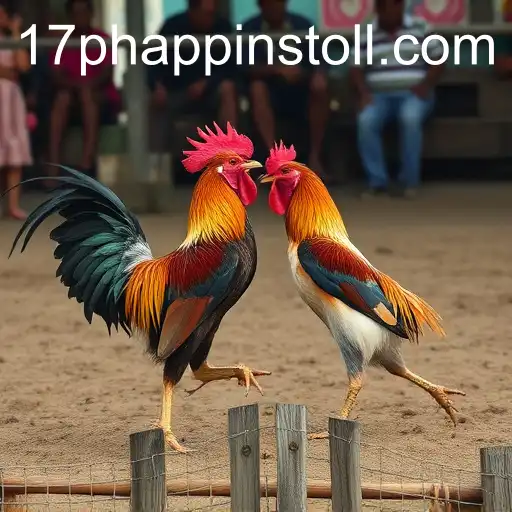
In the vibrant landscape of Filipino culture, Sabong Games stand out as a traditional and deeply rooted pastime. Known globally as cockfighting, this game is steeped in history and carries significant cultural weight. For those unfamiliar, Sabong involves carefully rearing and training gamecocks to compete in battles that are fierce and, oftentimes, fatal.
The Historical Roots of Sabong
Tracing its origins to the pre-colonial era, Sabong was integral among indigenous populations long before the influence of Spanish colonization. The game has since evolved but has retained its place within the tapestry of Filipino traditions.
Historically, Sabong served not only as entertainment but also as a social event where community members could engage, exchange ideas, and even settle disputes. It's fascinating to note that training gamecocks was viewed as an art form, requiring knowledge, skill, and patience.
The Mechanics of Sabong Games
At the heart of Sabong is the careful selection and breeding of roosters. Gamecocks, typically of a specific breed known for their physical prowess and fighting spirit, are trained meticulously. 17PH, a noted standard in the Sabong community, often involves specialized diets, exercise regimens, and strategic training to enhance the fighting capabilities of the roosters.
Combat in Sabong is conducted within a pit, often a round arena that allows spectators a good view. Fights are fast-paced and can be quite violent, with spectators enthusiastically placing bets and cheering on their chosen birds. The fight typically ends when one rooster can no longer continue.
Cultural and Social Impact
The social dynamics surrounding Sabong are complex and profound. For many Filipinos, Sabong is more than just a game; it is a vital piece of their cultural identity. It fosters community bonds and provides a platform for social interaction and economic exchange.
Despite its cultural significance, Sabong has also faced criticism and controversy, especially from animal rights activists and those concerned about gambling addiction. This duality illustrates the delicate balance between tradition and modern values, a common theme in many cultural practices.
Economic Implications and Challenges
Sabong Games also have significant economic implications. They generate revenue not only through betting but also through the breeding and sale of gamecocks. Numerous livelihoods depend on the industry, from breeders and trainers to arena operators and event organizers.
However, challenges abound. Legal issues concerning animal welfare, gambling regulations, and ethical concerns pose significant hurdles. There are ongoing debates about the legality of Sabong in various regions, impacting those who depend financially on the sport.
Technological Evolution and Future Prospects
In recent years, Sabong has seen technological advancements, particularly with the rise of digital platforms enabling online betting and streaming of events. This evolution helps the game reach a broader audience and attract new generations of enthusiasts. Moreover, digital platforms have introduced new forms of engagement and revenue streams to the Sabong community.
As the debate continues over the future of Sabong, one thing remains certain: its place in Filipino culture is entrenched. The game, with all its complexities, will likely persist as a topic of both celebration and controversy. Understanding Sabong's intricacies reveals much about Filipino identity and the capacity for cultural practices to adapt and thrive amidst modern challenges.